Design a map-based application for Ciena’s subsea sales engineering team to merge public and private cable data, display it in a custom interface, and enable billion dollar+ sales proposals for new cables and upgrades.
Client
Ciena – a global leader in networking systems and software.
Contributions
Requirements gathering with subsea sales engineers
UX/UI design for map-based data display and cable-drawing tools
Information architecture for private/public data handling
Iterative design reviews and workflow refinement
The Challenge
Ciena’s subsea sales team needed a specialized app to:
Combine public subsea cable data with Ciena’s private cable data
Display both datasets in a secure, role-based map interface
Allow sales engineers to propose upgrades, extensions, and new cables
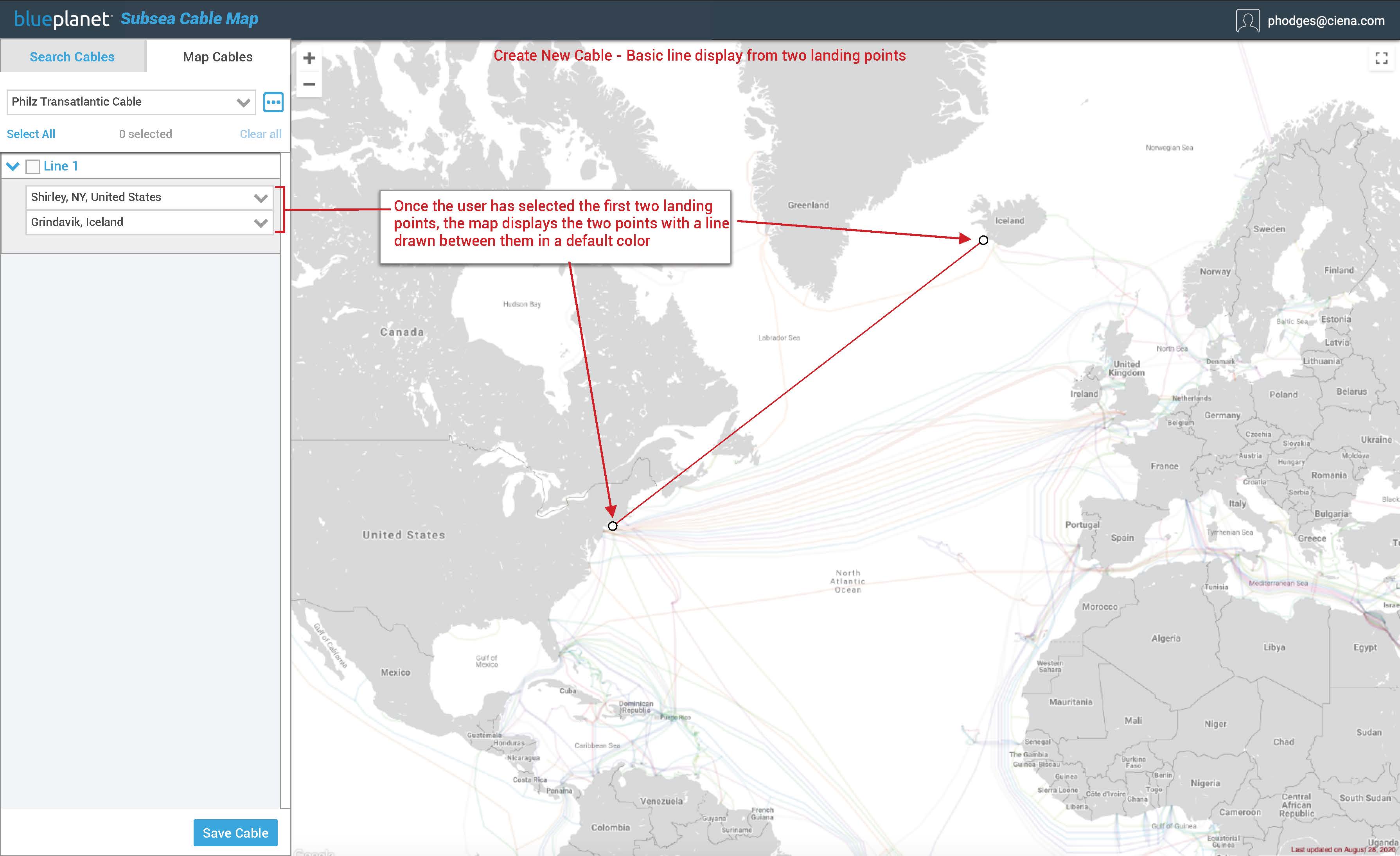
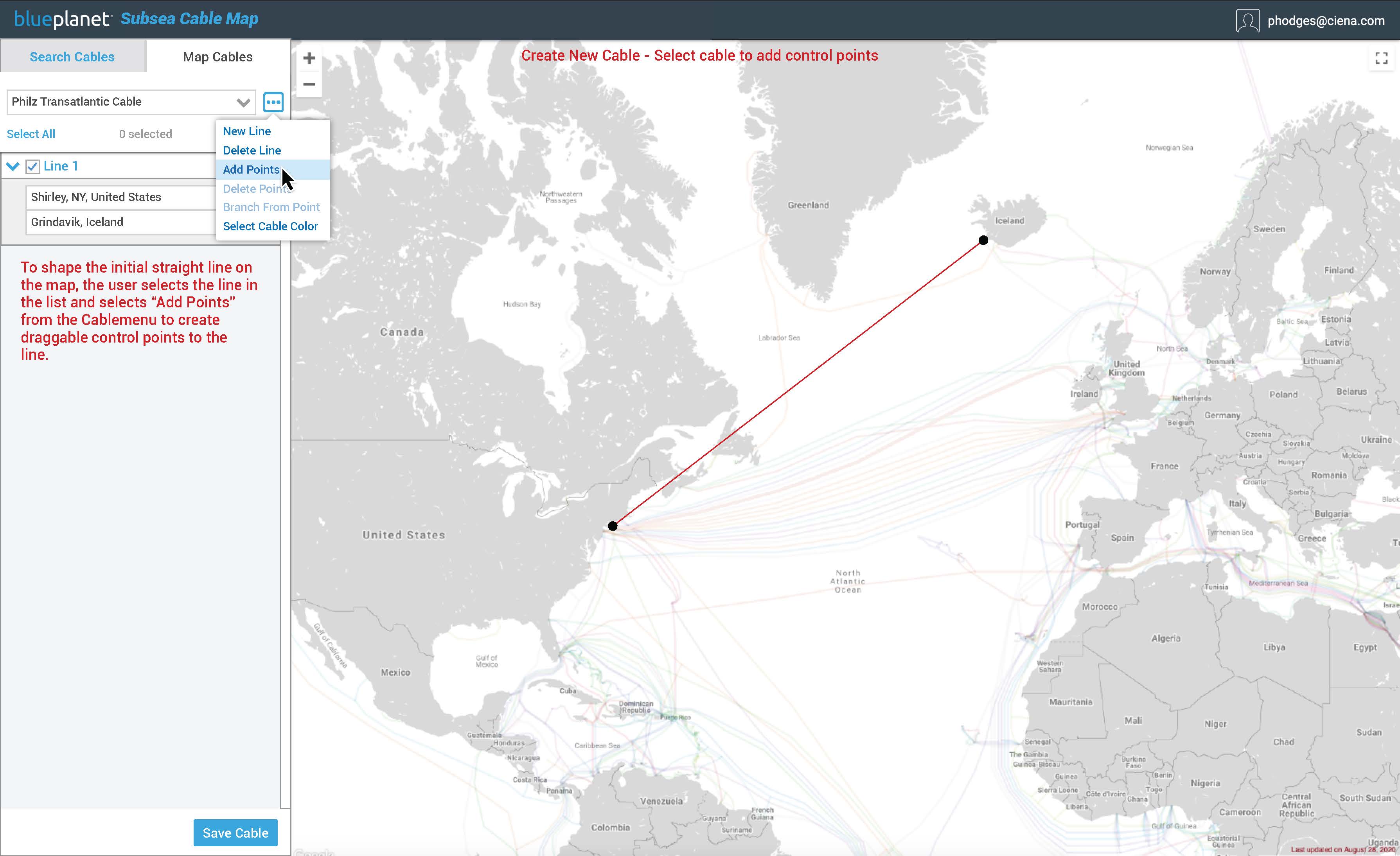
Provide drawing tools for creating new subsea routes using authorized landing points
Deliver an MVP quickly without disrupting other ongoing app development
The Solution
Working as part of a lean “skunkworks” team, I designed an intuitive, map-based application called Mercator that:
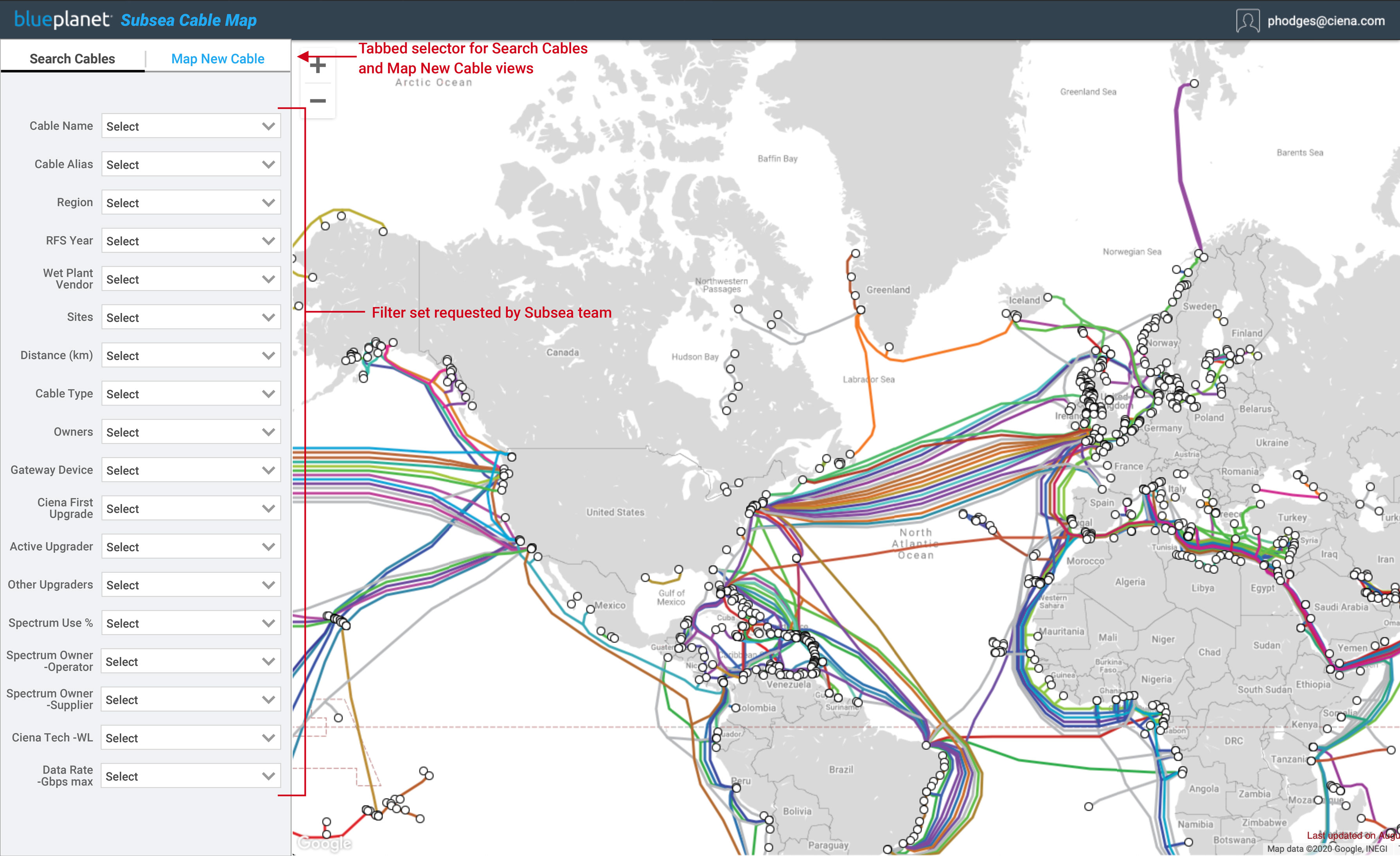
Used a tabbed left-hand panel for cable search, filters, and drawing tools
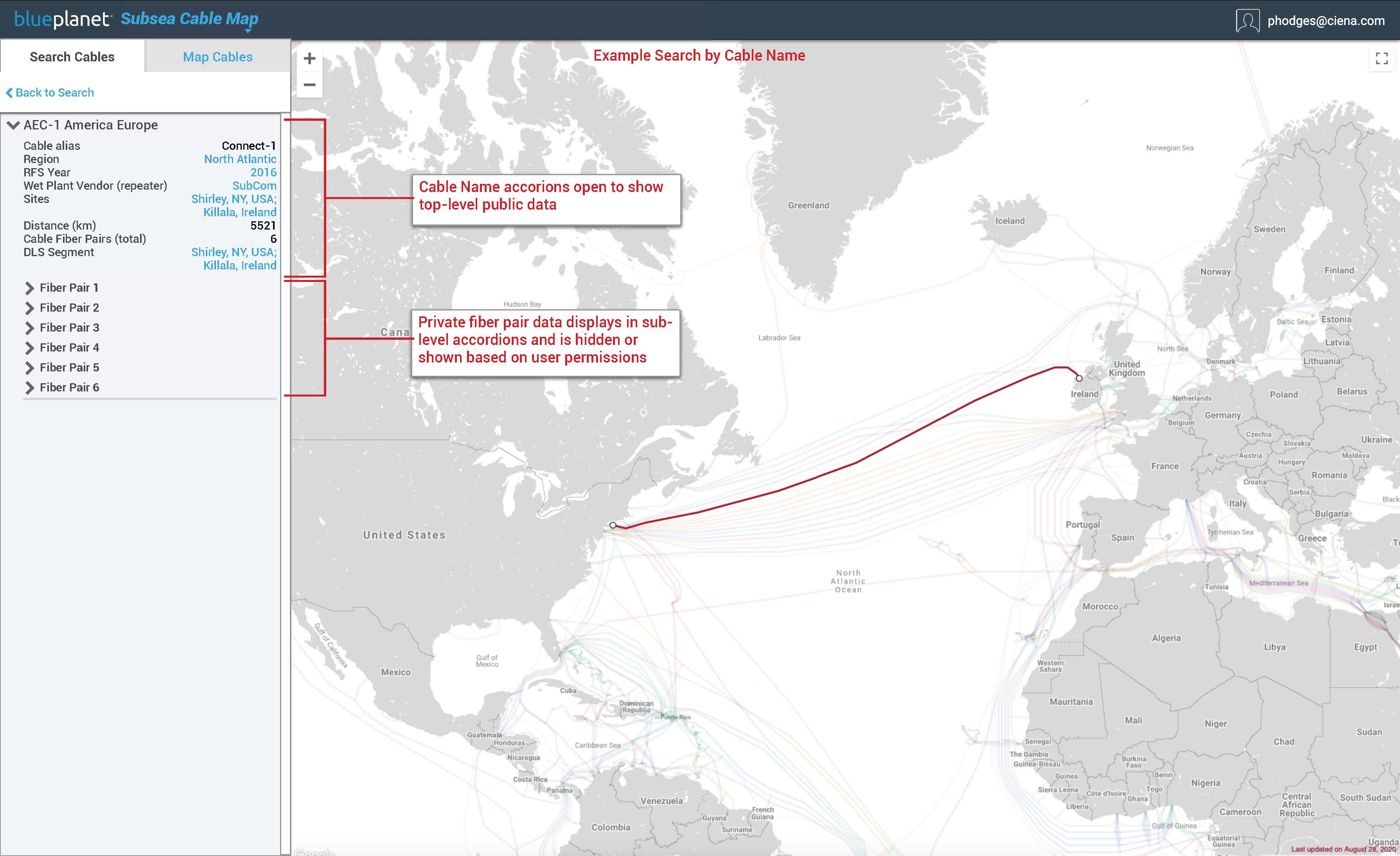
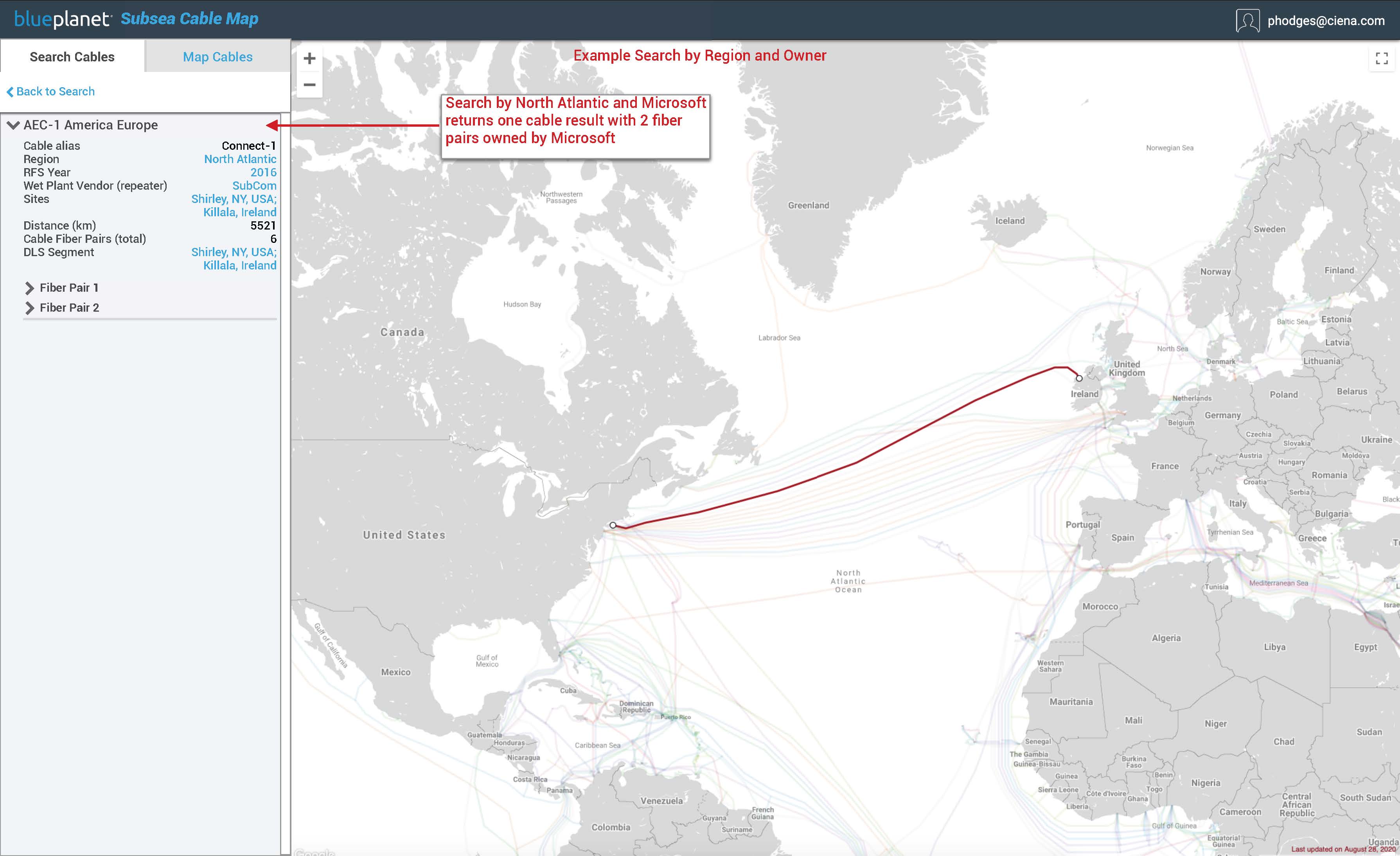
Displayed public data by default, with private data revealed only by role-based permissions
Allowed engineers to select cables, review details, and dim unselected routes for clarity
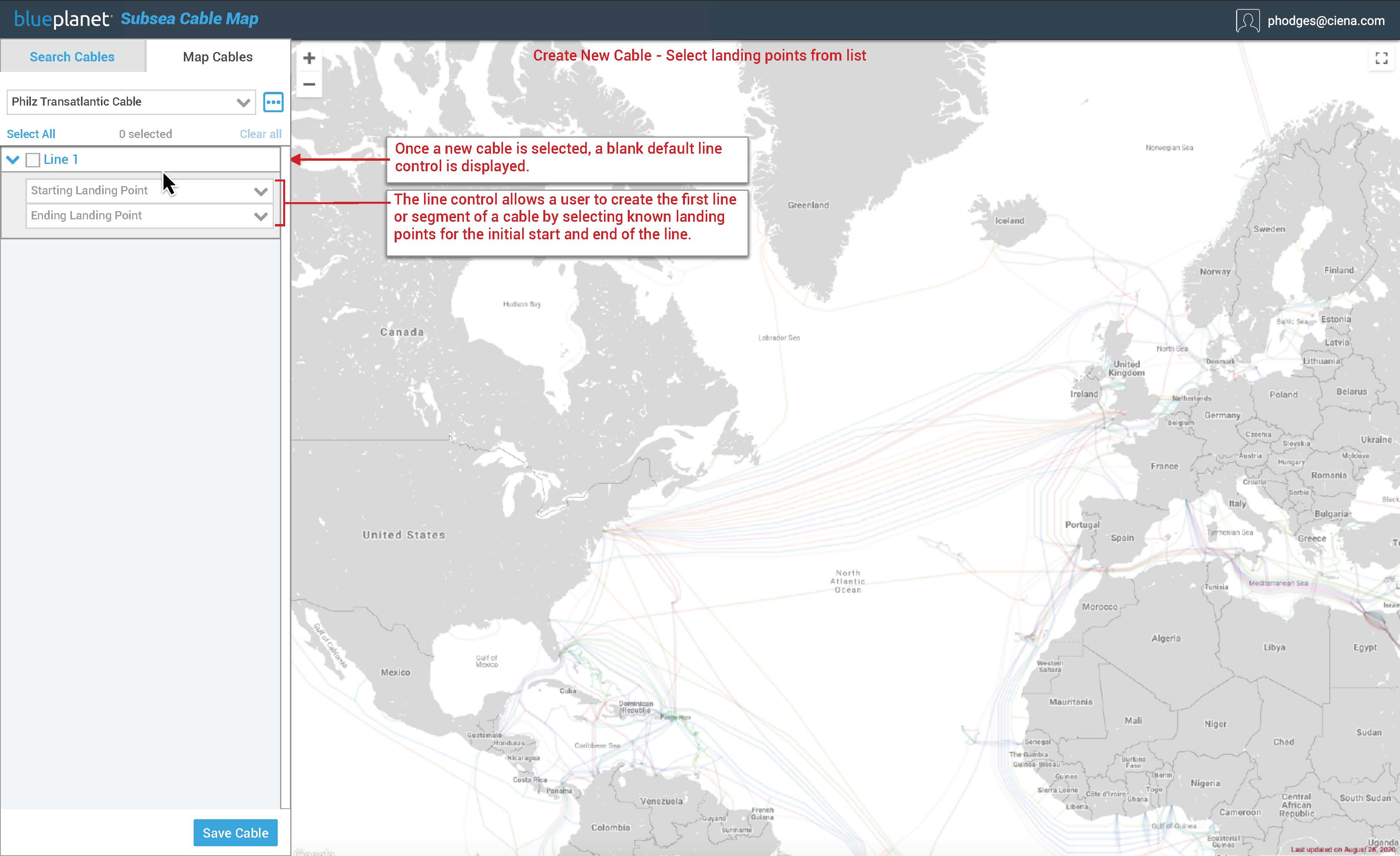
Introduced innovative drawing workflows requiring validated landing points, draggable control points, and branching options for new subsea cable routes
Provided seamless workflows refined through regular design reviews with the subsea team
The Outcome
Delivered an MVP of Mercator in just six weeks, on time and within scope
Received strong adoption by the subsea team, with no requests for changes to core UX workflows
Empowered sales engineers to pitch new subsea routes and upgrades with visual precision, strengthening Ciena’s position in a competitive global market
Demonstrated how human-centered UX design and lean, iterative development can produce high-value tools quickly in enterprise contexts
Project
Design a map-based application for Ciena’s subsea sales engineering team to merge public and private cable data, display it in a custom interface, and enable billion dollar+ sales proposals for new cables and upgrades.
Client
Ciena – a global leader in networking systems and software.
Contributions
Requirements gathering with subsea sales engineers
UX/UI design for map-based data display and cable-drawing tools
Information architecture for private/public data handling
Iterative design reviews and workflow refinement
The Challenge
Ciena’s subsea sales team needed a specialized app to:
Combine public subsea cable data with Ciena’s private cable data
Display both datasets in a secure, role-based map interface
Allow sales engineers to propose upgrades, extensions, and new cables
Provide drawing tools for creating new subsea routes using authorized landing points
Deliver an MVP quickly without disrupting other ongoing app development
The Solution
Working as part of a lean “skunkworks” team, I designed an intuitive, map-based application called Mercator that:
Used a tabbed left-hand panel for cable search, filters, and drawing tools
Displayed public data by default, with private data revealed only by role-based permissions
Allowed engineers to select cables, review details, and dim unselected routes for clarity
Introduced innovative drawing workflows requiring validated landing points, draggable control points, and branching options for new subsea cable routes
Provided seamless workflows refined through regular design reviews with the subsea team
The Outcome
Delivered an MVP of Mercator in just six weeks, on time and within scope
Received strong adoption by the subsea team, with no requests for changes to core UX workflows
Empowered sales engineers to pitch new subsea routes and upgrades with visual precision, strengthening Ciena’s position in a competitive global market
Demonstrated how human-centered UX design and lean, iterative development can produce high-value tools quickly in enterprise contexts